


A teacher leads his class in a lesson about the calendar. The students answer questions about time, dates, seasons of the year, and weather.
O Tempo e as Estações
Time And Seasons
April 14, 2022
 Eduardo
 Mónica
 Rui


How to Say Large Numbers in Portuguese
September 23, 2021
In the next couple lessons, we’ll let you practice with large numbers, such as those in the ten-thousands and hundred-thousands. A few reminders: – Remember that 100 is cento when it’s part of a number (i.e. followed by e) – Remember that 100 is just cem when it’s by itself (i.e. not followed by e) Here’s […]


Festa Dos 10K!
10K Party
April 17, 2021
Rui loses his mind and Joel loses his hearing as they count down to 10,000 followers on Instagram. Obrigado pelo vosso apoio! Don’t forget to join (and follow) us on Instagram for tons of exclusive European Portuguese content!
 Joel

A Ilha do Pico
Pico Island
February 15, 2021
Learn about Pico, one of the beautiful islands of the Azores and home to the highest peak in Portugal.
 Eliana
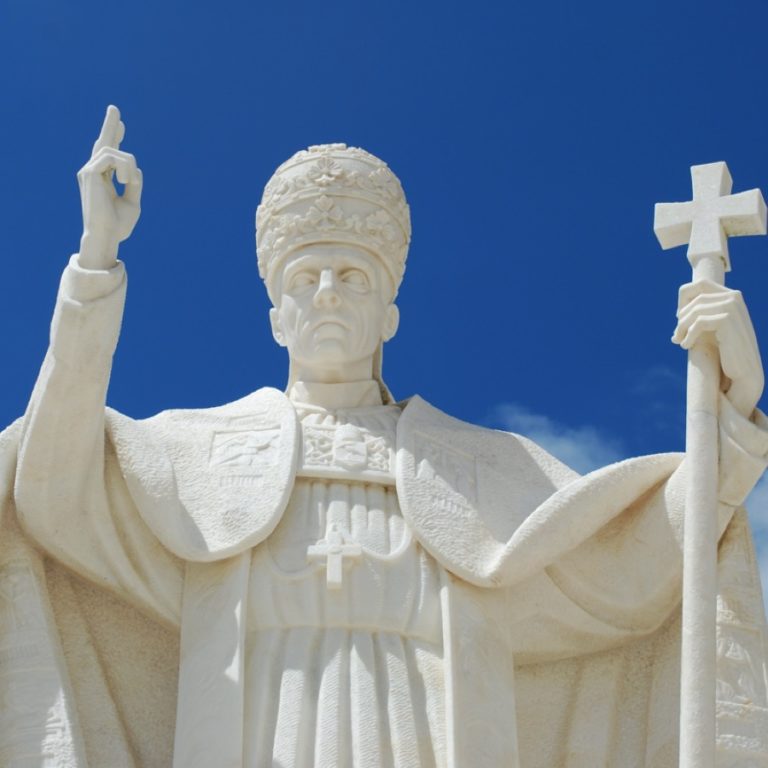
Um Papa Português
A Portuguese Pope
February 11, 2021
Learn more about the only Portuguese pope elected in two millennia of church history.
 Pedro

À Procura de um Apartamento
Searching For An Apartment
January 18, 2021
Violeta sets up an appointment to see a 2-bedroom home for rent.

Homem de Ferro
Ironman
January 10, 2021
Learn more about the international athletics competition known as “Ironman”.

Collective Numbers
May 8, 2019
Collective numbers are those that even in their singular form indicate a group of beings or things: Sometimes they indicate the exact number of things in the group, as in the example above. A quarteto is a musical group of 4 people. Other times, they are more general:
Fractional Numbers
May 7, 2019
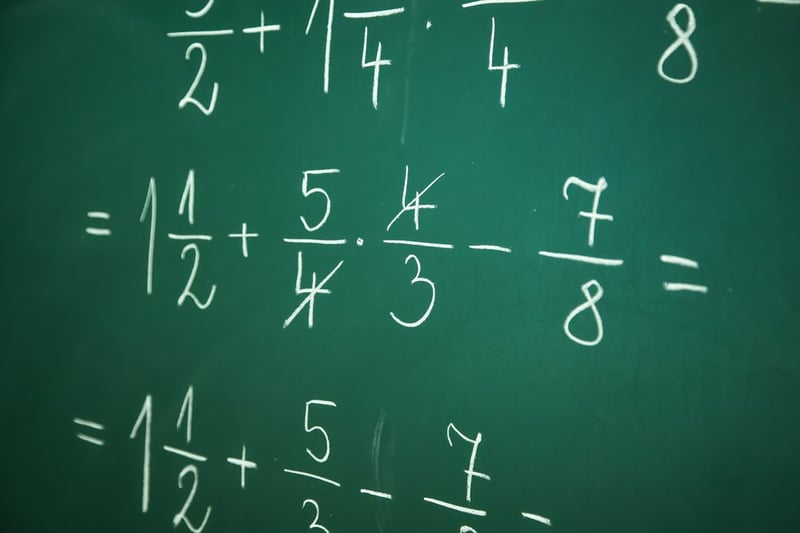
In this lesson, we’ll learn about , which define exact fractions, or parts, of a given thing. Let’s have a look: List of Portuguese Fractional Numbers Fractional numbers 1/2 – 1/10 Fractional numbers 1/11 – 1/19 Fractional numbers 1/20 – 1/1000
Multiplier Numbers
May 7, 2019
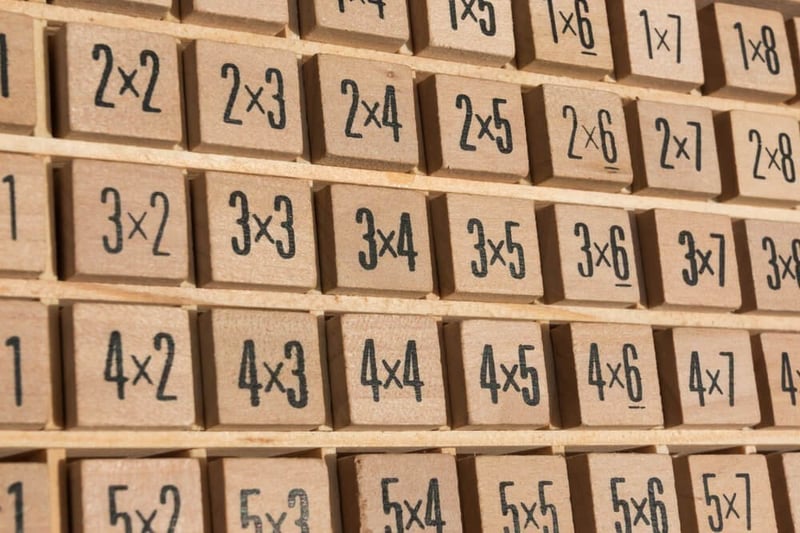
Multipliers define multiples of a given thing or person. Let’s have a look at a few: Multiplier numbers are always preceded by the definite article o, and they’re paired with the preposition de (or its prepositional contractions).

Ordinal Numbers
May 7, 2019
Ordinal numbers tell us the order people, animals, or things take in a specific series: They are variable, meaning they must match the subject in gender and number. For example:
Cardinal Numbers
May 7, 2019
What are cardinal numbers? Cardinal numbers are basically regular ol’ numbers. They simply indicate the number of people, animals, or things. They are invariable, except… The majority of cardinal numbers are invariable, meaning they only have one form. For example, you say três meninos (3 boys) and três meninas (3 girls). There is only one […]
Translator
Hide
0/255