


You learned how to say hello and goodbye in the Greetings unit, along with a few polite phrases, but what about after that initial greeting? You probably want to have a little more conversation when you meet someone new! In this Learning Note, we’ll cover the basics of how to introduce yourself in Portuguese.

Colours in Portuguese
December 12, 2020
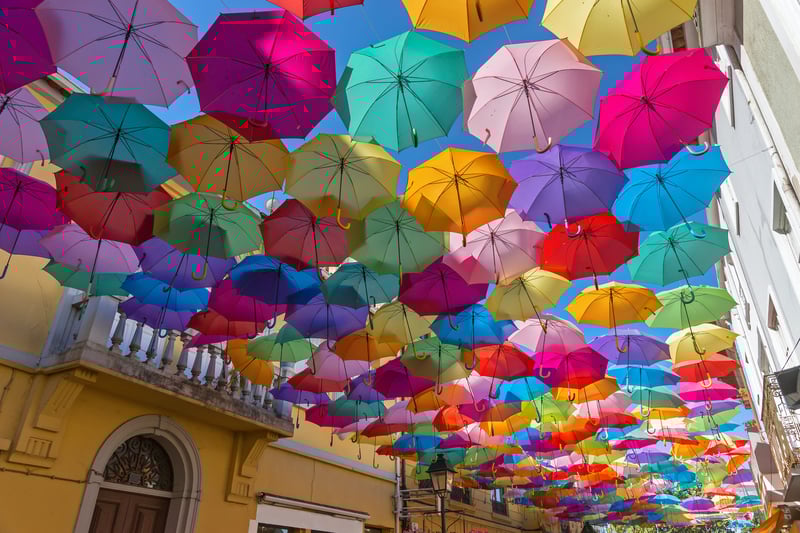
Let’s explore some useful vocabulary: colours in Portuguese! Even if you’re not an artist, it helps to know . How else will you talk about all the beautiful tiles and buildings around you in Portugal? Plus, next time you’re shopping, you’ll have an easier time asking for what you need. You can even use colours […]

How to Use the Verb Ficar
December 4, 2020
The verb is a very common, and important, Portuguese verb. Ficar is sort of like a Swiss army knife, as it can take on many meanings… but you also have to be careful with it! In most cases, this verb means to be, to stay, to become, or to keep. It implies that something happened or will […]
Portuguese Cheese
December 2, 2020
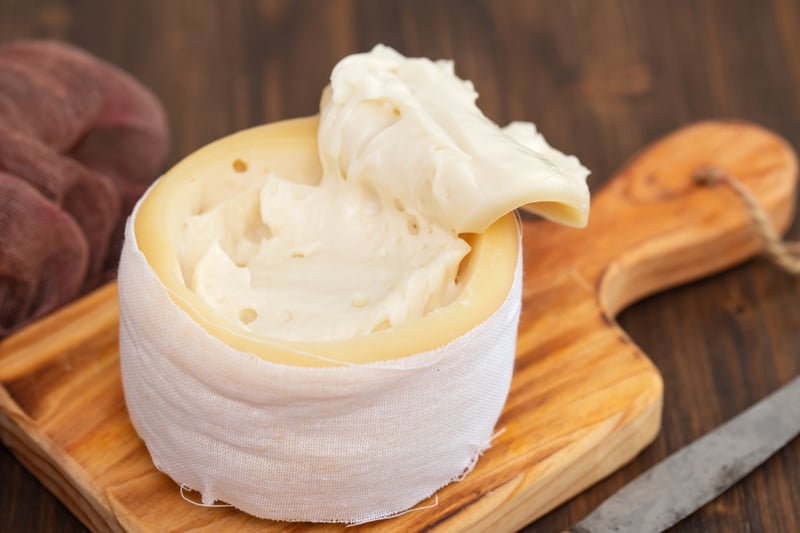
Portuguese cheese is a frequently found on the table, both at homes and in the restaurants of Portugal. Slices of regional cheese and ham are often served together with bread, olives and pates as starters. Although today there is a huge variety of cheeses and most are made on an industrial scale, traditional cheeses are […]

How to Talk About Likes and Dislikes in Portuguese
November 9, 2020
I like… The most important verb to learn when talking about likes and dislikes in Portuguese is . Let’s start with a simple example: It’s important to remember that the preposition goes along with the verb gostar. Adding de may seem strange at first to English speakers because we don’t use a preposition in this context. […]

Kissing Etiquette in Portugal
November 6, 2020
To Kiss or Not to Kiss? There’s more to Portuguese greetings than just what you say, so let’s talk about the cultural aspect as well, plus some other phrases that may come up during introductions. There is quite a bit of variability in appropriate greetings within different contexts, so you can’t rely on any strict […]

Guide to Portuguese Fish
October 15, 2020
With almost 1000 km of coast (not even counting the islands) and at 200 km wide, it’s only natural that Portuguese cuisine contains an abundance of fish dishes. We are, after all, the country that eats the most fish per capita in Europe! The most emblematic Portuguese fish is , which has been part of […]

Falar, Dizer, and Contar
October 13, 2020
This guide will focus on the differences between the Portuguese verbs falar, dizer, and contar. The meanings of these words are actually very similar because they all relate to speaking or communicating information. In fact, they’re often considered synonyms and can be used interchangeably in certain contexts. However, it’s important to understand the differences as you […]
Portuguese Contractions
October 5, 2020
are simply the result of merging two words into one. In English, this includes words like I’m (I + am), you’re (you + are), we’ll (we + will), etc. With Portuguese contractions, however, it typically happens when certain prepositions are combined with certain other types of words. Which Words Form Contractions in Portuguese? When these […]
Translator
Hide
0/255