


No one’s above a little studying! In this lesson, we’ll be looking at some more Portuguese adverbs of place. Remember: Unlike other adverbs, adverbs of place only modify verbs. Acima is the equivalent of above, and as such it is rather straightforward. Abaixo means below (the opposite of acima). It refers to a thing or person that […]


Adverbs of Place: Near, Far, etc.
March 1, 2019
In this lesson, we’ll be looking at . These adverbs tell us where something happens or where something is, so they’re pretty essential for building up your Portuguese sentences. Placing Adverbs of Place Portuguese adverbs of place are quite versatile as they can be placed before or after the verb they’re modifying. Unlike other adverbs, […]

A Portuguese Kitchen
February 28, 2019
Enjoying food is an important part of the culture of Portugal. Whether you’re buying groceries, ordering at a restaurant, or just talking about food, you’ll need to be comfortable with the basics of Portuguese cooking vocabulary. To start, let’s focus on some of the things you might find in a Portuguese kitchen. Food Storage There […]
Food Groups
February 27, 2019
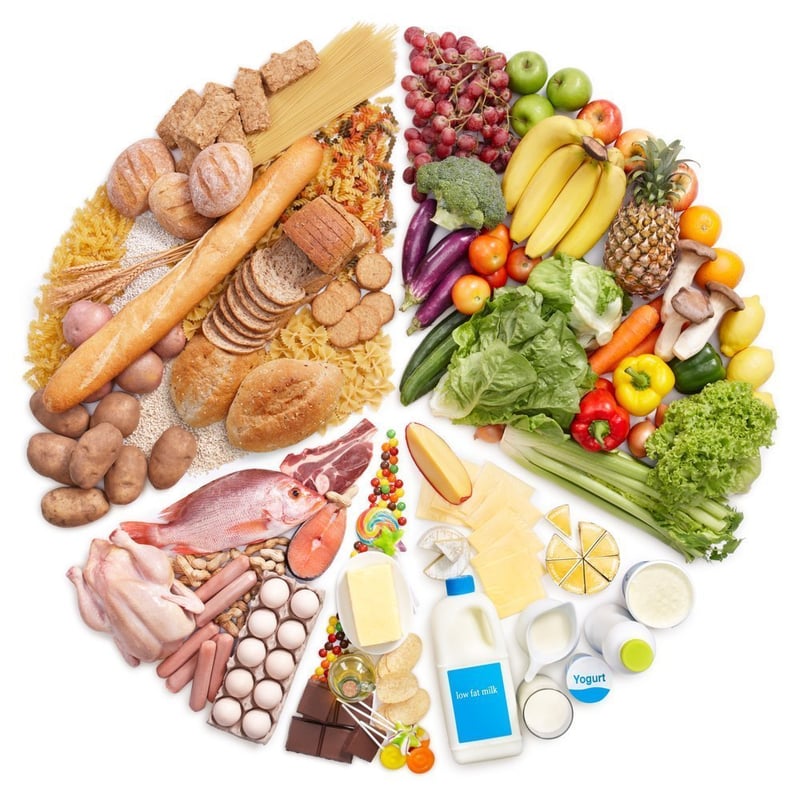
Exploring food groups is a convenient way to help us learn European Portuguese food vocabulary in a more organized way. Dairy Products First, let’s look at some : Leite, iogurte, and queijo are a part of many Portuguese people’s breakfasts and snacks. Queijo, in particular, is very important and there are several tasty varieties. As for […]

Talking About Food
February 23, 2019
Portugal is a country of food lovers, so we use a lot of different expressions to describe the food we eat and how we feel about eating it. The 2 ways to say “I’m hungry” in Portuguese are: | Hunger and Satisfaction I’m Hungry! For starters, instead of saying I am hungry, in Portugal we […]

The Preposition “Com”
February 23, 2019
One very common Portuguese preposition is Like all prepositions, it’s an invariable word placed before a noun (or pronoun) to indicate the noun’s relationship to other words. When to Use “Com” Just like the English use of “with”, the preposition com is used to… Indicate people or things that are together: Say what something has, […]

Adverbs of Degree: A Little, A Lot, etc.
February 22, 2019
, also called , tell us about how intensely something occurs. For the most part, Portuguese adverbs of degree operate just like English adverbs in terms of their placement and usage. Word Order Portuguese adverbs of degree are usually placed before the word they’re modifying if it’s an adjective or adverb, and immediately after the […]

Adverbs of Affirmation and Negation
February 21, 2019
Adverbs of and adverbs of are some of the most essential words in all of the Portuguese language (and, indeed, any language). They are always invariable, so there is no need to worry about different variations. Affirmation Adverbs of affirmation are, as the name implies, words which signify that a given statement is true, or […]

Adverbs of Time: Almost, Always, etc.
February 21, 2019
can tell us when, how often, or for how long an action happens. As with most other Portuguese adverbs, adverbs of time are always invariable. In this lesson we’ll start with some of the most frequent adverbs of time in Portuguese, which are: Quase We dealt with quase in the previous lesson, as an adverb […]

Adverbs of Degree: More, Less, etc.
February 21, 2019
Let’s look at some more adverbs of degree, which you’ll remember are always invariable. We’ll see examples of each of the following adverbs: Mais Mais simply means more, or plus. Menos On the flip side, menos is equivalent to the English less, or minus.

Translator
Hide
0/255