 Rui
RuiPlease request our permission before redistributing these files.
Premium Feature: Transcript Downloads
With a Premium Subscription, you can also download PDF transcriptions, with or without English translations for printing or offline use.
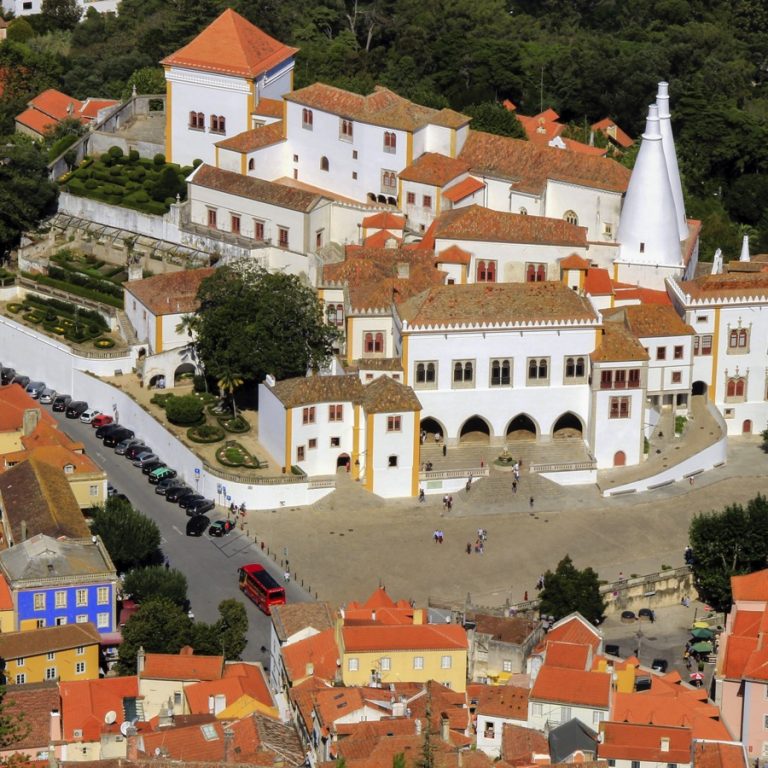
- No fim de semana passado, o Luís decidiu ir passear com a família à serra de Sintra. Last weekend, Luis decided to go for a walk (spend some time) with his family in the mountains of Sintra.
- Apesar de viverem em Lisboa, nem sempre as pessoas podem tirar algum tempo Although they live in Lisbon, people cannot always take some time [off]
- para visitarem o fabuloso património histórico do “pulmão” da capital. to visit the fabulous historical heritage of the capital's "Lung".
- Eles apanharam o comboio na estação do Rossio e chegaram ao destino por volta das 9 horas. They caught the train at the Rossio station and arrived at the destination around 9 o'clock.
- Ao chegarem ao centro da vila, foram tomar o pequeno-almoço numa pastelaria, When they reached the center of the village, they ate breakfast in a pastry shop
- onde puderam comer uma afamada queijada de Sintra e beber um galão. where they could eat a famous Queijada de Sintra and drink a "galão".
- Depois subiram a serra de tuk-tuk, até chegarem ao Palácio da Pena, Then they went up the mountain by tuk-tuk until they reached the Pena Palace,
Premium Feature: Episode Quizzes
With a Premium Subscription, you can take episode quizzes to challenge your comprehension skills and track your progress!
AcompanhadosAccompanied Afamadafamous aindastill, yet, even o almoçolunch Apesar deAlthough, even though, despite Aposentos reaisRoyal quarters Cansadostired CapitalCapital o castelocastle o centrocentre a cidadecity o comboiotrain as corescolours De regressoBack to, upon return De voltaBack to, upon return descansarto rest Dessa alturaOf that time o destinodestination domingoSunday o edifíciobuilding Espetáculo de fadoFado show estaçãostation Estilo de vidaLifestyle ExteriorOutside, exterior FabulosoFabulous a famíliafamily família realroyal family FantásticaFantastic o fim de semanaweekend HistóricoHistorical os mourosMoors Nem sempreNot always a noitenight, evening a ocupaçãooccupation ondewhere OstentaçãoOstentation o paláciopalace passadopast, last masc., adj. passearto go for a walk, wander around, stroll a pastelariapastry shop o patrimónioheritage, patrimony, legacy o pequeno-almoçobreakfast as pessoaspeople Por voltaaround (approximately) o pulmãolung o reiking a residênciaresidence, residence hall o restauranterestaurant serramountains, mountain range SobreAbout, on, over, above TípicaTypical, traditional TípicoTypical, traditional, classic os vestígiosTraces, vestiges, ruins, remains a vilavillage a visitavisit a vistasight, view ÁrabeArab


Expressions
O galãoEspresso with sugar and lots of milk A queijada de SintraSweet cheese pastry from Sintra Tirar algum tempoTake some time Sobe e desceUp and down 
Premium Feature: Smart Review
With a Premium Subscription, you can save these phrases to Smart Review, and use spaced repetition to commit them to long-term memory.





Comments
Love your site; been using it about four months. One tiny gripe, though. It would be so much better if you listed the vocabulary for the “shorties” in the order that it appears, rather than alphabetically.
All the best,
Joe
Just now signed up. Finished my first shorty, wasn’t able to understand everything but enough to get the drift of what was said.
The vocabulary, expressions and quiz are helpful
Anthony Monteiro
Eu também visitei Sintra recentemente. O palácio é ótimo. Mas o que mais me entusiasmou foi o parque/floresta na serra de Sintra. Tanto verde!
Could someone explain why the Future Subjunctive of Viver is used following “Apesar de.” Obrigado!
Olá! Sorry for only replying now, but the spam filter messed up and blocked your comment.
This tense is not actually the future subjunctive, but the personal infinitive in the third-person plural. ‘Viver’ is a regular verb, so its future subjunctive and personal infinitive conjugations look the same and are easily mistaken for one another.
Now, why is the personal infinitive used here? Simply because the subordinating conjunction “apesar de” requires it. Different conjunctions force the verbs into different tenses. For example, the conjunction “embora” always asks for subjunctive tenses (present or imperfect). So, had we used that one instead, we’d have to write “Embora vivam em Lisboa…”. Hope this helps 🙂
Thanks Joseph, your explanation was clear and super helpful!