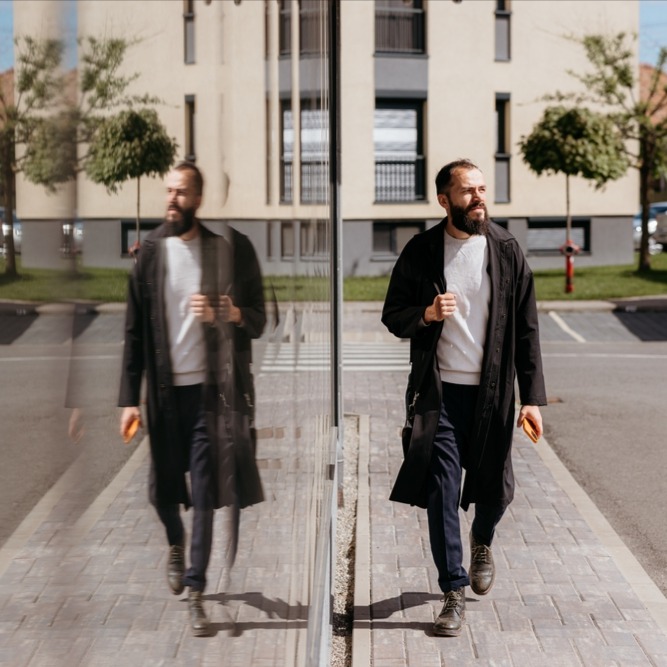
 Eduardo
- PracticePortuguese.com
- Se tudo correr como planeado, If everything goes as planned,
- daqui a alguns anos terei alcançado muitos dos meus objetivos. in a few years' time, I will have achieved many of my goals.
- Terei terminado a minha formação, I'll have finished my degree,
- terei viajado pelo mundo I'll have traveled the world
- e, quem sabe, até terei comprado and, who knows, I might even have bought
- aquela casa no campo com que sempre sonhei. that house in the country I've always dreamed of.
Premium Members get access to this episode's entire transcription, as well as hundreds more!
Vocabulary
alcançarto reach, achieve aproveitarto enjoy, take advantage of, take the opportunity to, use, seize o arrependimentoregret noun arriscarto risk, take a chance concretizarto accomplish, materialize, fulfill Desenrolarto unroll a formaçãotraining, education, formation o objetivogoal, objective sonharto dream VitóriaVictory


Expressions
Premium Feature: Smart Review
With a Premium Subscription, you can save these phrases to Smart Review, and use spaced repetition to commit them to long-term memory.
Premium Feature: Episode Quizzes
With a Premium Subscription, you can take episode quizzes to challenge your comprehension skills and track your progress!








Comments
que sempre sonhei.
Why not?
que sempre sonhava.
It seems continuous to me, a backdrop for the rest of the sentence.
Great question, although I’m afraid we do not have a clear answer for it! One would expect the continuity of “sempre” to be matched with the imperfect, but the idiomatic option in Portugal is to match it with the simple past in this kind of sentence, with “sempre” placed before the verb. You can look at it as a kind of exception. This placement of “sempre” also allows for other idiomatic uses, e.g. sentences such as “Sempre vens?” (something like “Are you coming after all?”) or “Olha, sempre funcionou!” (“Look, it did work!”).
Porque que sempre sonhava esta no passado, e nos estamos a falar no presente de una coisa que sempre sonhaste. Comenco no passado mas ainda continuas a sonhar no presente.
Boa questão! A resposta já foi partilhada noutro comentário acima. Basicamente, apesar de *sonhava* fazer sentido na teoria, a opção mais idiomática é usar *sonhei* neste contexto, após a palavra *sempre*. Não conseguimos indicar uma razão exata para isso – pode ser simplesmente a forma como o idioma evoluiu naturalmente neste caso.