 Pedro
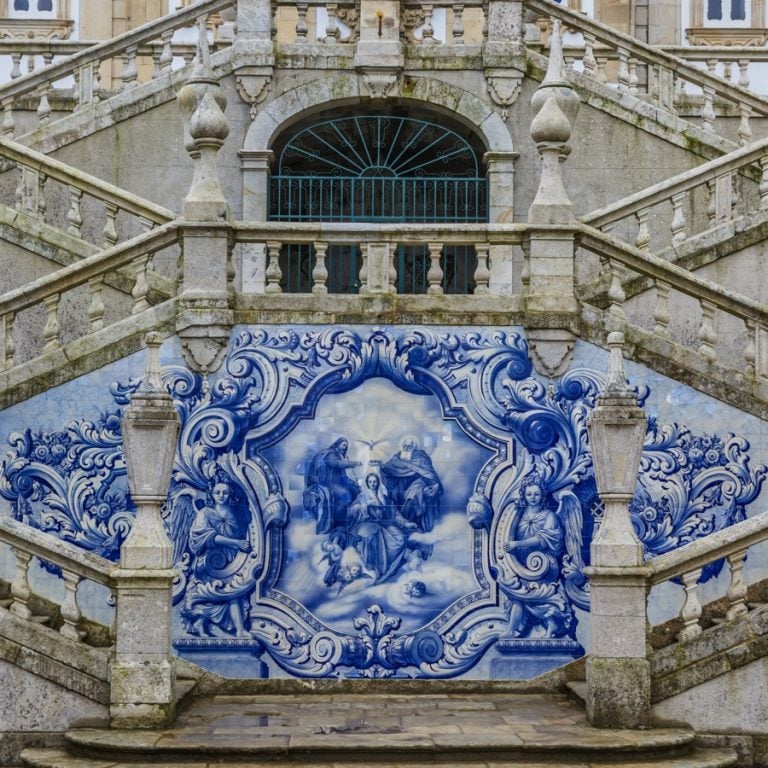
Pedro- O azulejo é um dos marcos da cultura portuguesa. The "azulejo" (tile) is one of the hallmarks of Portuguese culture.
- Por todo o país, são muitos os edifícios decorados com episódios históricos e religiosos de Portugal. Throughout the country, there are many buildings decorated with historical and religious events of Portugal.
- Esta peça de cerâmica ganhou destaque em Portugal e Espanha por influência dos árabes. This ceramic piece gained prominence in Portugal and Spain due to the Arab influence.
- Mas foi em terras portuguesas que se tornou um caso único, But it was in Portuguese lands that it became [a] unique [case],
- ao aliar-se à pintura e à arquitetura para homenagear a história do país. when it allied itself with painting and architecture to pay tribute to the country's history.
- Numa primeira fase, estes mosaicos foram usados no revestimento de paredes de palácios, igrejas, conventos e até jardins. In the first phase, these mosaics were used in lining the walls of palaces, churches, convents, and even gardens.
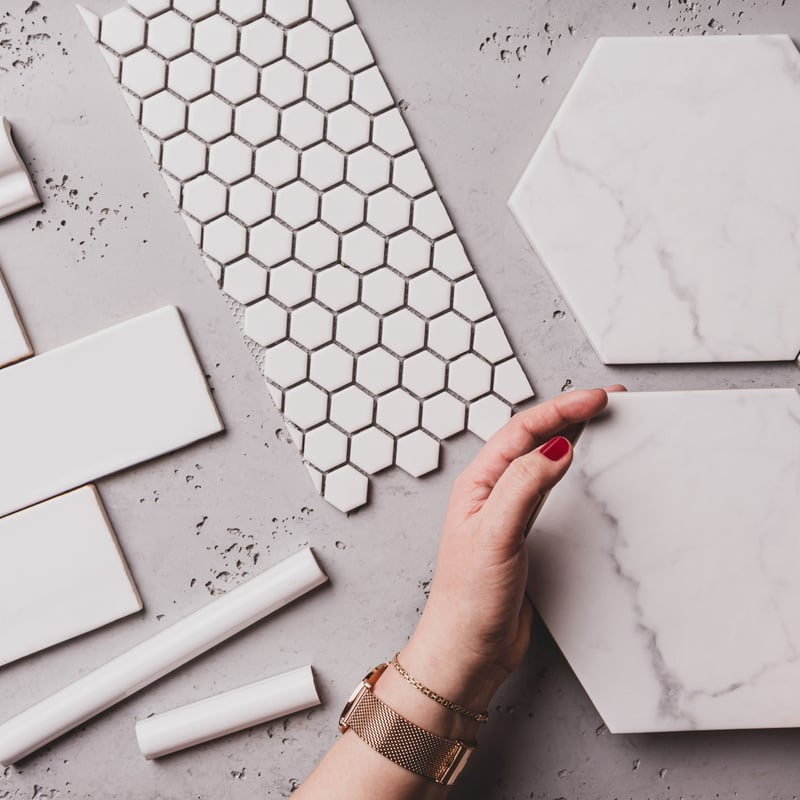
- Mais tarde, os azulejos entraram nas casas dos portugueses para decorar cozinhas e casas de banho. Later, the tiles entered the homes of the Portuguese to decorate kitchens and bathrooms.
Premium Members get access to this episode's entire transcription, as well as hundreds more!
Vocabulary
a arquiteturaarchitecture ArtísticaArtistic AzuisBlue (plural) AzulejoTile brancowhite a cerâmicaCeramic ConventosConvents a culturaculture, cultivation DecoradosDecorated decorarto decorate destaquehighlight, prominence, emphasis o edifíciobuilding EpisódiosEpisodes, events EspanhaSpain o fundobottom, base, background HistóricosHistorical homenagearto pay tribute, commemorate, honour a influênciainfluence MarcosLandmarks, milestones MosaicosMosaics PaláciosPalaces as paredeswalls passearto go for a walk, wander around, stroll a peçapiece, play theatre a pinturapainting noun ReconstruçãoReconstruction ReligiososReligious RepresentadosRepresented RevestimentoCovering, lining, coating as ruasstreets a terrasoil, earth, land O terramotoEarthquake ÁrabesArabs ÚnicoUnique


Expressions
mais tardelater Um papel fundamentalA key role Caso únicoUnique case Hoje em diaNowadays, These days
Premium Feature: Smart Review
With a Premium Subscription, you can save these phrases to Smart Review, and use spaced repetition to commit them to long-term memory.
Premium Feature: Episode Quizzes
With a Premium Subscription, you can take episode quizzes to challenge your comprehension skills and track your progress!



Comments
Sorry. Basic question from a beginner. Why does one say chamo me but se tornou um caso único in this piece. Ie why is ‘me’ after but ‘se’ before the verb?
Oh, it’s not so basic, hah 🙂 Those “me” and “se” particles are collectively called clitic pronouns. In European Portuguese, by default, they tend to appear after the verb in affirmative sentences, but some classes of words have an attractive force which pulls those pronouns to the front, before the verb. In “…que se tornou…“, that attraction is generated by the word que, as a relative pronoun.
You can read more about this here: Introduction to Clitic Pronouns
olá, boa tarde,
Eu ouvi ” um papel fundamental”, lembro -me esta expressão que aprendi na outra shorties.
Obrigada por desenvolver este curso
To many it will come as a surprise to find the Wonderful Palacio de Estoi in the Algarve. It is a Pousada now but the 19c building and its gardens are open to the public to visit for free.
It was the “os azulejos” shortie which reminded me of this location.
Here is a link to some wonderful photos of the house and gardens.
https://www.google.com/maps/uv?hl=en&pb=!1s0xd1aac41b9856177%3A0x315b31f133be99b3!3m1!7e115!4shttps%3A%2F%2Flh5.googleusercontent.com%2Fp%2FAF1QipNkQfc_qpu4WKGm1_jevo0sQrNPnEbP1btXZagB%3Dw260-h175-n-k-no!5spalacio%20estoi%20gardens%20-%20Google%20Search!15sCAQ&imagekey=!1e10!2sAF1QipNkQfc_qpu4WKGm1_jevo0sQrNPnEbP1btXZagB
Thanks that is very helpful… how will I ever learn the pronunciation
Cheers
Gaby
Another simple question: why is it “muitos os edifícios”? What purpose does the “os” serve? Is it essential?
Thanks
Len
Olá! The sentence is inverted for style reasons. The normal word order would be: “Os edifícios decorados (…) são muitos”. But here, ‘são muitos’ was moved to before the subject, which is why you get “são muitos os edifícios…” (something like “many are the buildings that…”).