 Eliana
 Rui
Rui- Empregada: Boa tarde, o que vai ser? Waitress / Female worker: Good afternoon, what will it be?
- Lucas: Boa tarde. Queria um sumo de maçã. Lucas: Good afternoon. I'd like an apple juice.
- Empregada: Grande ou pequeno? Waitress: Large or small?
- Lucas: Grande, por favor. Lucas: Large, please.
- Empregada: Mais alguma coisa? Waitress: Anything else?
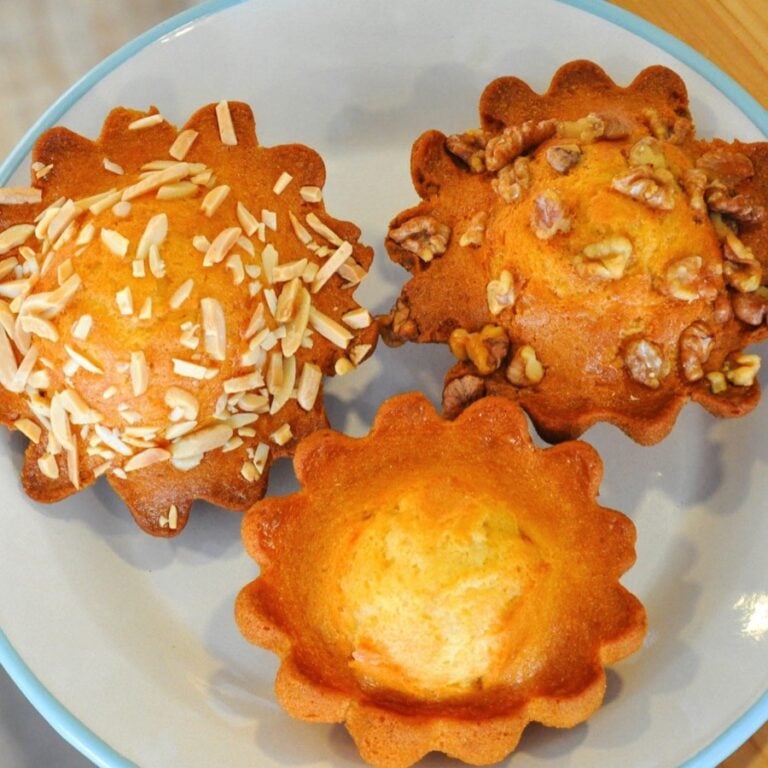
- Lucas: Sim. Queria um queque. Lucas: Yes, I'd like a muffin.
- Empregada: Um queque… Para levar? Waitress: A muffin... To go?
Premium Members get access to this episode's entire transcription, as well as hundreds more!
Vocabulary
alguma coisasomething grandelarge sing. levarto take maismore a maçãapple pequenosmall sing.,masc. Quanto?How much?masc. o quequemuffin o sumojuice tudoeverything


Expressions
Boa tardeGood afternoon Mais alguma coisa?Anything else? QueriaI would like... Aqui temHere you go sing.,formal para levarto go, to take away ordering food
Premium Feature: Smart Review
With a Premium Subscription, you can save these phrases to Smart Review, and use spaced repetition to commit them to long-term memory.
Premium Feature: Episode Quizzes
With a Premium Subscription, you can take episode quizzes to challenge your comprehension skills and track your progress!






Comments
I liked the dialogue about the server and customer ordering food in Portuguese.
In the first two lines “tarde” is pronounced in two different ways. Is this a reflection of regional accents (which is which)? Is there any significance implied by the pronounciation?
Olá! I don’t perceive a difference in pronunciation or accent. The first speaker voices the word until the end, which makes it sound more articulated, while the second speaker voices the first syllable, but then lets the voice drop to a whisper for the last (unstressed) syllable – this is very natural for us when we’re speaking fast or with no focus on sharp articulation. The same happens when they each pronounce the word ‘grande’, for example.
Obrigada pelo repeat button!!
Marianne
When Lucas is ordering why does he say Queria? Wouldn’t it be Quero?
“Queria” is the imperfect tense of “querer” and is often used to make a polite request, similar to saying “I would like” in English. So, when Lucas says “Queria,” he is being polite, as it’s a common way to order in Portuguese! 🙂