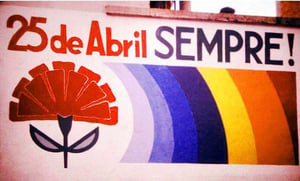
 Rui
Rui Rui Sr
We've unlocked the Premium Features for this special episode! Members get access to features just like this across our entire library. Learn More
Please request our permission before redistributing these files.
- Joel: Hey everyone! It's Joel here with a very special announcement. Normally, it's only our premium
- members who get access our transcriptions and subtitles, but today we've decided to release
- to the public one entire episode with all of these features activated for free. If you
- find them useful, we hope that you'll consider becoming a member. With your small contribution
- we will be able to produce more episodes, and you'll be directly supporting the future of this project.
- Go to www.practiceportuguese.com/register to learn more.
- As conversas que se seguem são baseadas em factos verídicos, as personagens não são The conversations that follow are based on true facts. Characters are not
- ficção e o nível de português pode ser assustador. Este é o verdadeiro teste. fictional and the levels of Portuguese can be scary. This is the real test.
- Pai: Sim, filho? Rui: Olá! Dad: Yes, son? Rui: Hello!
- Pai: Então... Rui: Tudo bem? Dad: So… Rui: Everything alright?
- Pai: Tudo! Rui: Olha… ‘tou-te a ligar porque lembrei-me que Dad: Yes! Rui: Look… I’m calling you because I remembered that
- hoje é 25 de abril e ‘tá aqui o Joel, aliás tu até ‘tás em alta voz . ‘Tá aqui o Joel, today is April 25th and Joel’s here, in fact you’re on speakerphone . Joel’s here,
- e ele ‘tava-me a perguntar do 25 de Abril… do 25 de Abril… e eu disse-lhe: "olha… melhor and he was asking me about April 25th… about April 25th… and I told him: “see… it
- se calhar é… eu ligo ao meu pai, que passou pela própria revolução, porque eu ‘tar-te might be even better if… I’ll call my dad, who lived through the revolution, because if
- a explicar, ainda vou ‘tar-te a explicar coisas que não interessam a ninguém ". E queria I explain it to you, I’ll probably explain things that don’t even matter ”. And I wanted
- só que explicasses ao Joel, assim de uma forma resumida , por que é que o 25 de abril you to explain Joel, succinctly , why is it that April 25th
- é tão importante para nós. Pai: (risos) Isto é uma partida ! Isto é para is so important to us. Dad: (laughs) That’s a prank! Is that for
- pores naquele coiso do... Rui: Não… não é não... é para... you to put in that thing of… Rui: No… no it isn’t… it’s for…
- Joel: Claro que não! Pai: … no post! É… é! Joel: Of course not! Dad: …in the post! Yeah… yeah!
- Rui: É para explicares ao Joel... Pai: Não… não... isto é uma partida, filho. Rui: It’s so you can explain to Joel… Dad: No…no… that’s a prank, son.
- Rui: Não é uma partida! Não consegues explicar ao Joel, de uma forma resumida, como é que Rui: It’s not a prank! Can’t you explain to Joel, briefly, what was
- foi o 25 de abril? Pai: Então, pronto... o 25 de abril foi uma revolução April 25th like? Dad: Ok then… April 25th was a revolution
- comandada por militares de várias... de ramos das forças armadas que quiseram terminar commanded by military of various... branches of the armed forces who wanted to end
- um longo período de fascismo, que... e dar alguma liberdade aos portugueses. Foi uma a long period of fascism, that… and to give the Portuguese some freedom. It was an
- revolução exemplar, pois não se derramou absolutamente sangue nenhum, ninguém saiu exemplary revolution, because absolutely no blood was shed , no one was
- ferido. O povo juntou-se a esses militares na rua, tomaram pontos estratégicos. Houve hurt. People joined the military on the streets, took over strategic points. There were
- músicas que deram início a essa revolução, por isso são tão famosas, como a Grândola songs that kicked off the revolution, that's why they're so famous, like Grândola
- Vila Morena e outras. E pronto… foi uma revolução, começada pelos militares e depois apoiada Vila Morena and others. And yes… it was a revolution, started by the military and then supported
- pelo povo, que pôs fim a quarenta e tal anos de fascismo em Portugal. by the people, which put an end to 40 years of fascism in Portugal.
- Rui: Pois… eu ‘tava a tentar explicar isso ao Joel, mas como eu também não me lembrava muito Rui: Yes, I was trying to explain that to Joel, but as I didn't really remember much
- bem das datas e dessas coisas, porque não passei pela revolução, porque a minha geração about the dates and that kind of stuff, since I didn't live through it, because my generation
- já nasceu depois da revolução. Pai: Claro! was born after the revolution. Dad:- Of course!
- Rui: E o Joel ‘tava a perguntar... Pai: Mas se fores à internet e pesquisares , Rui: And Joel was asking ... Dad: But if you go to the internet and research ,
- vais encontrar informações detalhadas, com datas, com os militares que intervieram nessa you will find detailed information, with dates, with the military who intervened in that
- revolução, como o Otelo Saraiva de Carvalho, que ainda há pouco ‘tava a falar na televisão. revolution, like Otelo Saraiva de Carvalho, who was just now talking on television.
- Encontras datas, nomes, sítios , palavras-chave que foram utilizadas. É muita engraçada You can find dates, names, places , keywords that were used. It's very funny
- a história do 25 de abril e, se a pessoa for à internet e pesquisar, encontra todos esses the story of April 25th and, if someone goes online and research, they can find all these
- pormenores que a maior parte das pessoas, também, algumas já nem se lembram disso… details that the majority of people, too, some might not even remember…
- Já lá vão 30 e tal anos, não é? Rui: Entendeste, Joel? It's been 30 years or so, right? Rui: You got that, Joel?
- Joel: Sim, entendi. Rui: Entendeste? Joel: Yeah, I got that. Rui: Understood?
- Pai: Ficou gravado para o post... post-it, como é que aquilo se chama? Dad: It was recorded for the post ... post-it, how it is called?
- Rui: Para o podcast? Mas quem é que te disse… quem é que te disse? Isto não é para o Rui: For the podcast? But who told you… who told you that? This isn’t for the
- podcast. É para o Joel. Joel: Só para mim. podcast. It’s for Joel. Joel: Just for me.
- Pai: Para o Joel… mas de certeza que eu vou apanhar isto no podcast. Dad: For Joel… but I’m sure I'll catch this in the podcast.
- Joel: E... Rui(pai)... hoje à noite vais celebrar ao Bairro Alto? Joel: And ... Rui(father) ... will you celebrate at Bairro Alto tonight?
- Pai: Eu?! Joel: Sim, tu! Dad: Me?! Joel: Yes, you!
- Pai: Eu não! Joel: Por que não? Dad: Not me! Joel: Why not?
- Pai: Porque... eu só celebro em casa, Joel! Joel: Beber uma cerveja na rua? Dad: Because ... I only celebrate at home, Joel! Joel: Have a beer on the street?
- Pai: Não… eu prefiro ficar em casa. Rui: Onde é que tu estavas no dia 25 de abril Dad: No… I’d rather stay home. Rui: Where were you on April 25th
- de mil novecentos... Pai: Filho, no 25 de abril, não participei no 25 nineteen hundred… Dad: Son, on April 25th, I did not participate on April
- de abril, porque estava... tinha precisamente começado a minha recruta na tropa(a). Portanto 25th, because I was… I had just started as a recruit in the army(a). Therefore
- tinha nessa altura... ora janeiro, fevereiro, março, abril… tinha 4 meses de recruta. Estava I had then ... well January, February, March, April ... had four months as a recruit. I was
- ainda a começar a minha tropa, digamos assim. Rui: E foi só em Lisboa ou... still starting out in the troops, we could say. Rui: And it was just in Lisbon, or…
- Pai: Não participei no 25 de abril, porque ainda não era um militar… digamos assim… ‘tás a Dad: I did not take part in April 25th, because I wasn’t a member of the military yet… let’s say… do you
- ver? ‘Tava a começar a minha vida militar. Tinha entrado no dia 13 de janeiro de... understand? I was just starting my military career. I started on January 13th of…
- Rui: Desse ano! Pai: ...75. Não, o abril foi quê? Rui: That year! Dad: …75. No, April was what?
- Rui: 74. Pai: – 74… pois eu entrei no dia 13 de janeiro para Rui: 74. Dad: 74… so I started on January 13 at
- a tropa. Rui: Mas foi em todo o país ou foi só em Lisboa the troops. Rui: But that happened all over the country or was it just in Lisbon
- que se... Pai: Era um maçarico(b). Não, filho. Foi... essencialmente… that… Dad: I was a rookie(b). No, son. It was… essentially…
- foi em Lisboa que foram tomadas... ãaa... os postos de rádio e televisão e todas essas it was in Lisbon that... uuuh ... the radio and television stations were taken and all these
- coisas, mas participaram militares doutros pontos do país que vieram sobre Lisboa, portanto things, but the military from other parts of the country who came to Lisbon also participated, so
- vieram para Lisboa também. Mas teve que se ter o apoio... fazer uma coisa dessas… teve they came to Lisbon as well. But we had to have the support ... to do that ... they had
- que se ter o apoio das forças armadas... toda, completa, em Portugal, não é. to get support from the armed forces ... all of them, complete, in Portugal, right.
- Rui: Pois. Pai: Porque depois havia forças que ‘tavam a favor, Rui: Right. Dad: Because then there were forces that were for,
- outras que não ‘tavam. Entretanto haviam algumas forças que se tiveram de render e and others weren’t. However there were some forces that had to surrender and
- colocar do lado dos que fizeram a revolução, não é. move to the side that made the revolution, right.
- Rui: ‘Tá bem pronto… olha e ‘tavas há bocadinho(c) a falar no nosso podcast… tens ouvido? Rui: Alright, then… look and I was just(c) talking about our podcast… have you been listening?
- Pai: Tenho… tenho. Tenho lido os erros que também lá estão. Já disseste ao Joel?... Dad: I have… I have. I’ve read the mistakes that are there as well. Have you told Joel?…
- Rui: Erros? (risos) Rui: Mistakes? (laughs)
- Pai: ... que o Joel cometeu erros a fazer a transcrição lá do… daquilo dos pastéis de Belém. Dad: ... mistakes Joel made when doing the transcription of the ... the thing with the Belém Pastries.
- Rui: Não… deve ter sido o computador. Pai: Ah… ‘tá bem. Rui: No… must have been the computer. Dad: Ah… okay.
- (risos) Rui: Deve ter sido o computador. (laughs) Rui: It must have been the computer.
- ‘Tá* bom... Vá… beijinhos. Olha… e bom 25 de abril! Alright*… Go then… kisses. And… have a nice April 25th!
- Joel: Obrigado, Rui! Joel: Thanks, Rui!
- Rui: ‘tou? Pai: ‘tou. Rui: Hello? Dad: Hello.
- Rui: Diz... Pai: ‘Tão filho… olha agora é que ‘tava-me... há Rui: Say… Dad: So, son… now I was… I
- bocado fiquei um bocado assim atrapalhado(d) com as datas porque isto já lá vai tanto got a bit confused(d) with the dates because that was such a long
- tempo(e) que eu já nem me recordava. Eu nem sequer estava na tropa no 25 de abril. time(e) ago I didn’t even remember. I wasn’t even in the April 25th troops.
- Rui: Não? Pai: Não, porque... por isso é que eu ‘tava-te Rui: No? Dad: No, because… that’s why I told you
- a dizer que isto foi há... ora isto passaram-se quase 40 anos, um gajo... 38 anos ou o que that was… well it happened almost 40 years ago, a young man… 38 years or
- é. Uma pessoa já nem(f) tem recordações disto. Porque eu entrei para a tropa em 75 whatever. One doesn’t even(f) recall that anymore. Because I joined the troops in 75
- e eu ‘tava-te a dizer... entrei para a tropa no dia 13 de janeiro de 75 e depois recordei-me and I was telling you… I joined the troops on January 13th in 75 and then I remembered
- que o 25 de abril tinha sido em 74 e entrei um dia depois de fazer anos. Entrei em 75. that April 25th happened in 74 and I joined a day after my birthday. I joined in 75.
- E agora é que me ‘tava a recordar que, no 25 de abril, eu ainda nem sequer era militar, And now I remembered that, on April 25th, I wasn’t even in the military,
- filho. Ainda me faltava um ano para entrar para a tropa. Eu devia ter 19 anos ou coisa son. I still had a year before joining the troops. I was 19 years old or something
- assim, porque recordo-me perfeitamente que ‘tava em Santa Iria. ‘Tava a morar em Santa like that, because I remember perfectly I was in Santa Iria. I was living in Santa
- Iria e, nessa altura, ainda ‘tava em Santa Iria. Nem sequer fui a Lisboa ver as movimentações Iria and, at that time, still was in Santa Iria. I didn’t even go to Lisbon to see the changes
- e essas coisas todas. Acompanhámos aquilo mais pela televisão e andávamos ali no café, and all those things. We followed it more on TV and we walked there by the cafe,
- e ‘tava-me a lembrar que até tinha falado com o Sérgio… com aquele… com o "fino"(g), and I just remembered that I had even spoken with Sergio… with that… with the "fancy”(g) one
- e isso assim(h). ‘Tavamos a falar sobre isso: "Epá… olha aconteceu uma revolução e isto and stuff like that(h). We were talking about that: “Wow… a revolution happened and this
- e aquilo e aqueloutro(i)". Ainda era um civil nessa altura, filho. Devia ter 19. Eu acho and that and you name it(i)”. I was still a civilian then, son. I was probably 19. I think
- que entrei para a tropa com 20 anos, portanto eu tinha 19 anos nessa altura. 19... 19, ora I joined the army when I was 20, so I was 19 then. 19 ... 19, now
- já lá vão... Não, 19 não. Com 21, portanto, nessa altura aconteceu o 25 de abril e eu there we go… No, not 19. Was 21, therefore, by this point April 25th had happened and I
- tinha 20 anos. Rui: E ‘tavas em Santa Iria, ‘tá bem. was 20 years old. Rui: And you were in Santa Iria, alright.
- Pai: Tinha 20 anos, portanto isto foi há 40... já foi há 38... há quantos anos é que foi Dad: I was 20 years old, so this was 40 ... was 38 ... how many years ago was
- o 25 de abril, caraças(j)? Bem, não interessa… pronto, tinha 21 anos… pronto. Não ‘tava… April 25th, damnit(j)? Well, doesn’t matter… there, I was 21… there. I wasn’t…
- não ‘tava na tropa ainda. Só entrei para a tropa no ano a seguir, isso também não I wasn’t in the army yet. I only joined the troops the following year, that’s also not
- é importante. Rui: ‘Tá bem. important. Rui: Alright.
- Pai: ‘Tá… um beijinho então. Rui: Beijinhos. Adeus. Dad: Right… kisses then. Rui: Kisses. Goodbye.
- Esperamos que este e os próximos episódios sejam úteis e que te permitam aprender algo We hope this and the other episodes are useful and allow you to learn something
- novo. new.
- Se gostas do nosso podcast, vai ao nosso website www.practiceportuguese.com e deixa um comentário, If you enjoy our podcast, visit our website www.practiceportuguese.com and leave us a comment,
- ideia ou sugestão. Só com a tua ajuda podemos crescer na direção certa. idea or suggestion. Only with your help we can grow in the right direction.
- E não te esqueças – And don’t forget:
- Ouvir um português falar é a melhor forma de estudar! Até à próxima! Listening to a Portuguese speaker is the best way to study. See you next time!
Para quem telefona o Rui?
Para a mãe
Para um amigo
Para o pai
Para além do Rui e do pai, quem mais está a ouvir o telefonema?
O Joel
A mãe
Os vizinhos
Para poderem ouvir os três: o Rui, o pai e o Joel, como estava o telefone?
No ouvido
Em cima da mesa
Em alta voz
O que deu ínicio a essa revolução?
Músicas
O toque de trompete
Um grito militar
Qual é a música mais famosa do 25 de Abril?
Avante camarada
E depois do adeus
Grandola vila morena
Quando nasceu a geração do Rui?
Antes da revolução
Depois da revolução
No meio da revolução
Qual o nome de um dos militares que intervieram nessa revolução?
Cavaco Silva
Otelo Saraiva de Carvalho
Manuel Joaquim
À data do telefonema quantos anos já lá vão?
30 e tal anos
Vinte e tal anos
Cento e tal anos
O Joel e o Rui perguntam se o pai vai celebrar, onde?
No Bairro Alto
No Marquês de Pombal
No Corte Inglês
E onde vai celebrar o pai?
Em casa de amigos
Só celebra em casa
Em casa de familiares
Em que ano foi realmente o 25 de Abril?
Foi em 1973
Foi em 1974
Foi em 1975
Quem é que telefona de seguida ao Rui?
O Luís
O pai
O Joel
Afinal quantos anos tinha o pai do Rui no 25 de Abril?
21 anos
19 anos
20 anos
Alta vozLoudspeaker a datadate derramarto spill, to pour Não interessa a ninguémNo one is interested Orawell a partidamatch, game pesquisarto research, search for, look into os pormenoresdetails resumirto summarize os sítiosSites


Expressions
Há bocadoA little while ago, Earlier CaraçasHoly crap rude slang Isto, aquilo, aqueloutroThis, that, the other A recruta na tropaMilitary conscription MaçaricoTorch atrapalhadoClumsy Já lá vai tanto tempoIt's been so long Já nemNo longer even Isso assimThat's how 


Comments
Bem, depois de ler a transcrição da conversa telefónica, é que nos apercebe-mos que os próprios Portugueses cometem tantos erros de gramática que até assusta. Embora se deva também ao calão e ao comodismo de poupar nas letras, (atão), (tava-me), (tás) etc.
Exactamente, e todos o fazemos, mas no fundo o calão é isso mesmo, e por isso se chama uma conversa informal. Mas quem visita, se muda para ou estuda em Portugal é isto que vai encontrar no seu dia-a-dia e por acharmos que nem tudo é ensinado nos livros decidimos oferecer este tipo de material muito útil para praticar. E desde já obrigado pela sua participação.
Beijinho
fabuloso!!!!…..
Clique em “Partilhar” se tem amigos a aprender português 🙂 obg
Clique em “Partilhar” se tem amigos a aprender português 🙂 obg
Muito interessante. Obrigada. “Ouvir um português falar é a melhor forma de estudar!” . Isso mesmo =)
Ora, obrigado nós 🙂 Não há como aprender ouvindo os falantes nativos… Mesmo quando eles são difíceis de perceber à velocidade e (pouca) dicção normal!
Olá a todos! Aproveitei muito este episódio! Escutei-o 3 vezes e percebi/entendi a essência 🙂
Mas depois eu comecei a ler a transcrição e agora tenho uma pergunta: qual é a forma correta de dizer “I’m calling you …”? Aqui está a frase “tou-te a ligar”. Mas será correto dizer também “tou a ligar-te”?
Olá! Obrigado pelo comentário (muito bem escrito) 🙂 Ambas as formas, ‘estou a ligar-te’ e ‘estou-te a ligar’, são aceitáveis em português europeu. A primeira é a forma padrão e a segunda é uma alternativa comum no discurso informal, mas também gramaticalmente reconhecida. Isto é explicado no seguinte artigo: Verb Phrases & Clitic Pronouns | Practice Portuguese
Joseph, muito obrigada pela explicação! E o vosso site é um tesouro 🙂
Olá! Eu tenho mais uma pergunta 🙂
Aqui está uma expressão “há bocado”. Há diferença no significado entre esta expressão e uma outra que é “há pouco”?
Olá! As duas expressões são equivalentes 🙂