O 1 de maioMay 1st is a powerful symbol of history, workers’ rights, and Portugal’s hard-won democracy. Known globally as May Day, or Dia do TrabalhadorLabor Day , this holiday carries a unique weight for the Portuguese people.


The origins of this day go back to 1886, during the Haymarket protests in Chicago. Workers stood together to demand a standard 8-hour workday. While this movement sparked international labour solidarity, the holiday took on a much more personal meaning in Portugal during the 20th century.
A Symbol of Freedom: 1974
For nearly five decades, Portugal lived under a ditaduradictatorship (the Estado Novo) where labour rights were suppressed and public demonstrations were not permitted.
Everything changed on April 25, 1974, with a Revolução dos CravosCarnation Revolution . Just six days after the regime fell, Portugal celebrated its first free Worker’s Day. Hundreds of thousands flooded the streets of Lisbon, Porto, and cities across the country, not just to celebrate their newfound freedom, but to demand the rights they had been denied for decades.
How it’s Celebrated Today
Most businesses and shops close their doors so that workers can enjoy the day.
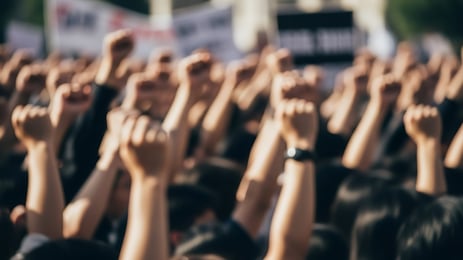
- Demonstrations: In major cities, you will see large manifestações or marchasmarches .
- Trade Unions: These events are usually organized by sindicatostrade unions (such as the CGTP or UGT).
- Red Flags: The streets often turn red with flags and banners, symbolizing solidarity and the labour roots of the movement.
Whether you spend the day at a peaceful rally or just enjoying a café in the sun, it’s a day to remember the progress made in workers’ rights and the importance of democracy.
Key Vocabulary to Remember
- os direitos laboraislabour rights
- o salário mínimominimum wage
- a grevestrike
- o sindicatolabour union, trade union
- o contrato de trabalhowork contract
- as condições de trabalhoworking conditions
- o despedimentolayoff, firing, dismissal
- a negociação coletivacollective bargaining